ANYAO Lighting

ANYAO LIGHTING · OEM / ODM

Custom Lighting,
Built for Your Brand.

From product development and component manufacturing to final assembly, we create dependable lighting solutions for global brands and projects.

Manufacturing Scale

0

Factory Floor Area

A dedicated manufacturing base built for stable, scalable production.

Production Efficiency

0

Production Lines

0+

Units Daily Capacity
Engineering & Innovation

0

R&D Team Members

0+

Patents
Global Service

0+

Export Countries

0

Product Showroom
Inside Anyao Lighting

Built for lighting without compromise.

From design development to final verification, every space in our facility is designed to turn ambitious lighting ideas into dependable products.
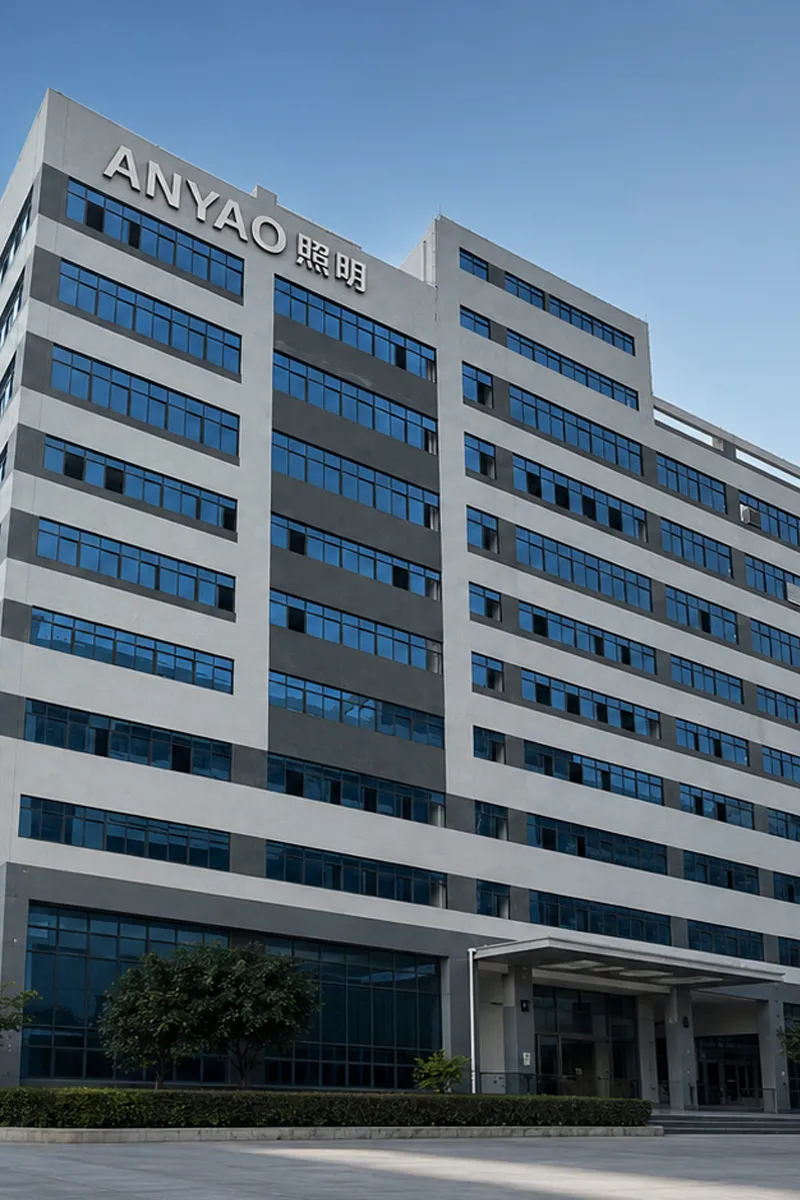
Anyao Lighting factory building
01 — FACTORY CAMPUS

Made under one roof.

A dedicated manufacturing base built to keep quality, production and delivery under close control.
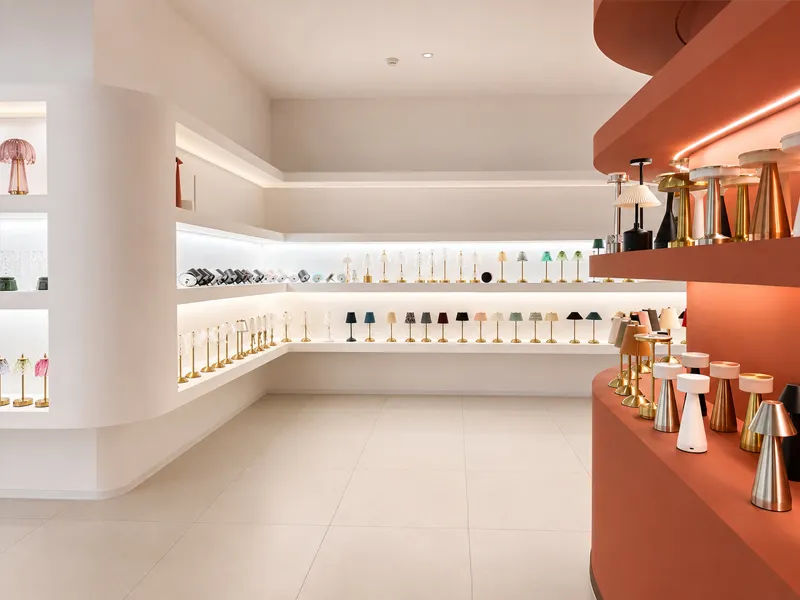
Anyao Lighting showroom
02 — SHOWROOM

Ideas, brought to light.

A curated space where materials, structures and finished lighting solutions can be experienced in person.
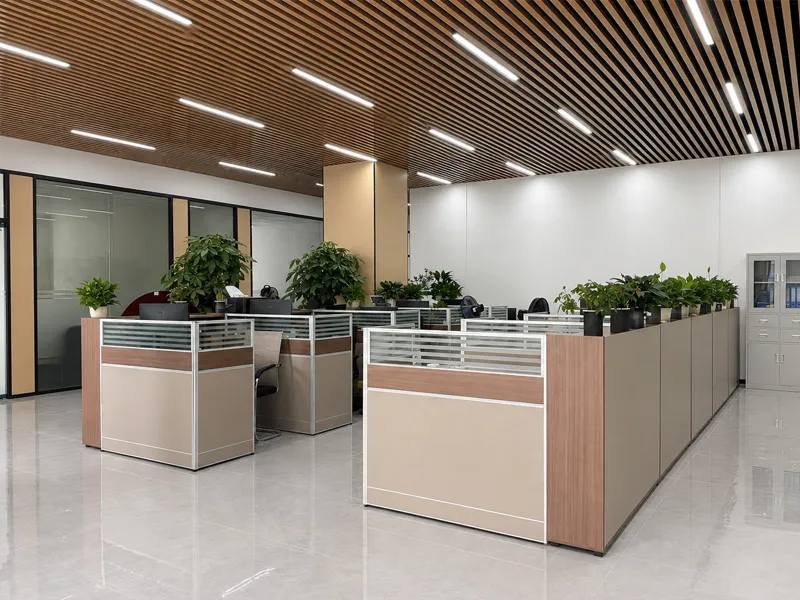
Anyao Lighting design and research development space
03 — DESIGN & R&D

Where concepts take shape.

Our design and development team transforms your ideas into practical, manufacturable lighting solutions with greater confidence.
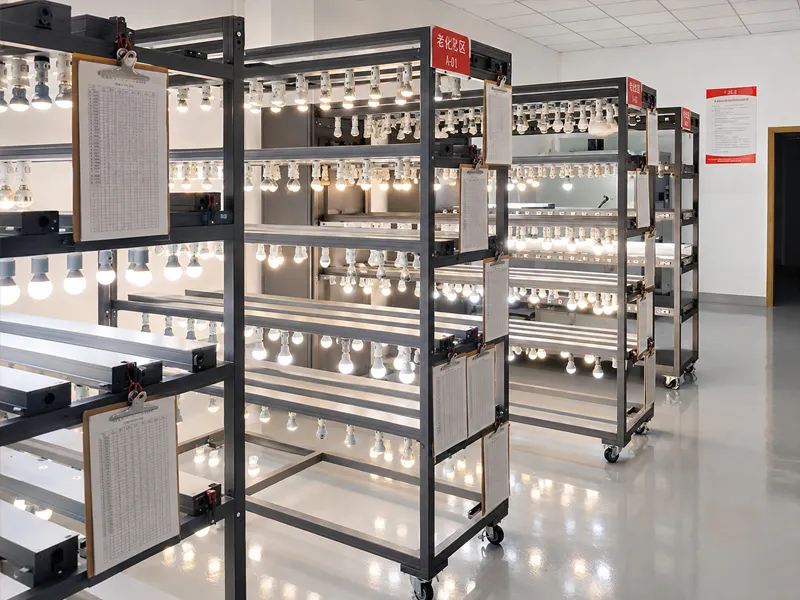
Lighting product testing workshop
04 — TESTING WORKSHOP

Verified before it ships.

Each critical stage is checked with practical testing procedures, so your lighting is ready for real-world use.

Why Work With Anyao

Built for reliable custom lighting.

A streamlined manufacturing workflow for lighting brands, wholesalers, retailers and project buyers worldwide.

OEM / ODM

Custom lighting development
from concept to production

AQL 2.5

Quality inspection standard
for bulk production orders

In-House

Design, components, assembly
and production coordination

3–7 Days

Typical sample development
lead time

15–25 Days

Typical bulk production
lead time

Our Production Process

From your idea to ready-to-ship
lighting.

Every project follows a clear and controlled workflow, helping turn your lighting concept into a finished product with consistent quality.
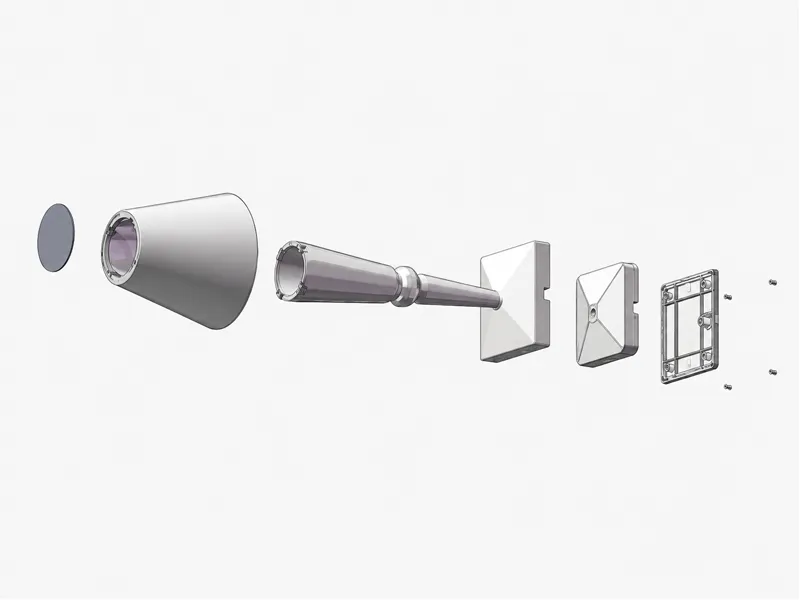
Lighting product design and structural development 01
Step One

Lighting Design

Turning your requirements into clear product drawings.
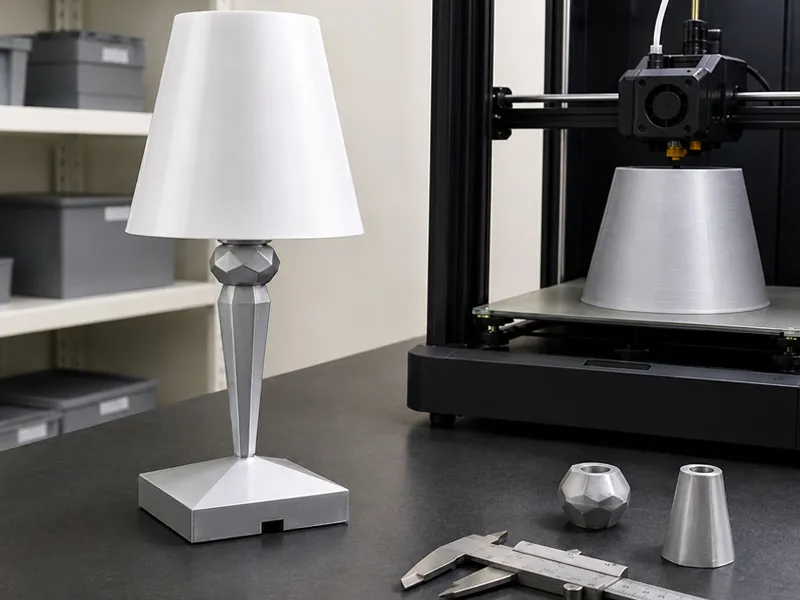
3D prototype development for custom lighting 02
Step Two

3D Prototype

Reviewing the first physical version before production.
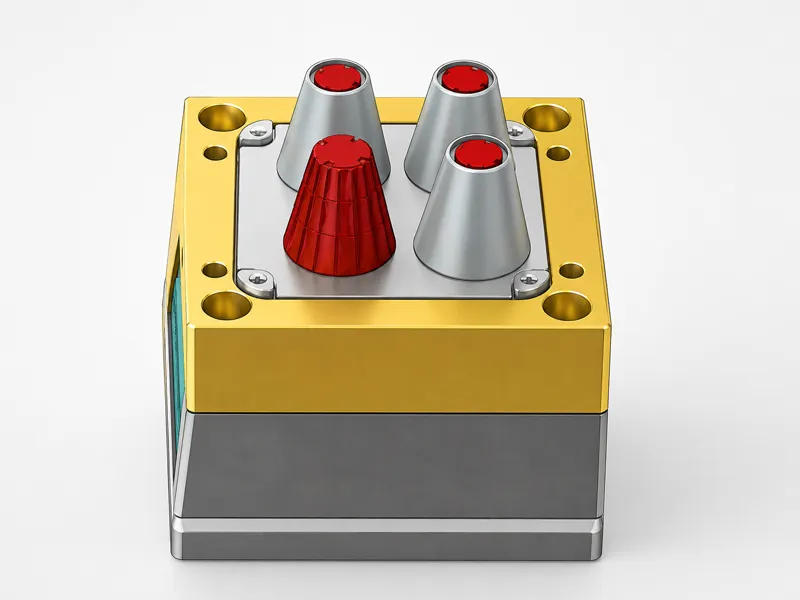
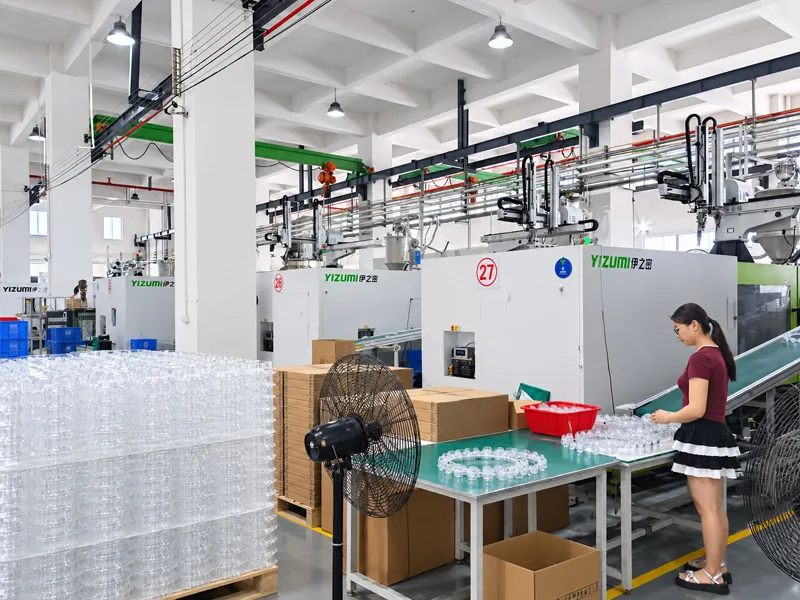
Custom mold design for lighting component production 03
Step Three

Mold Design

Developing the foundation for precise production.
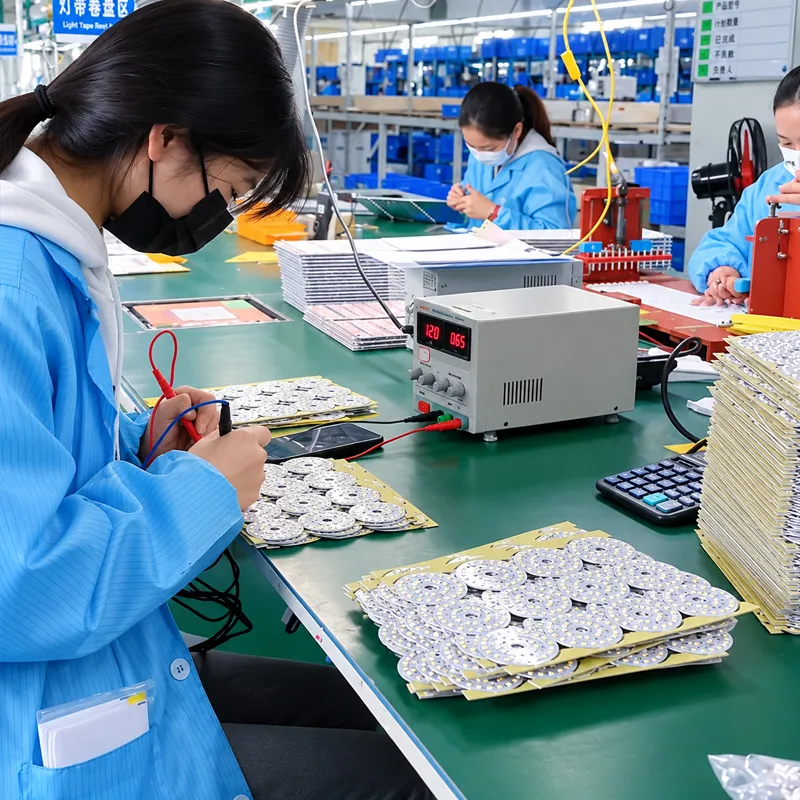
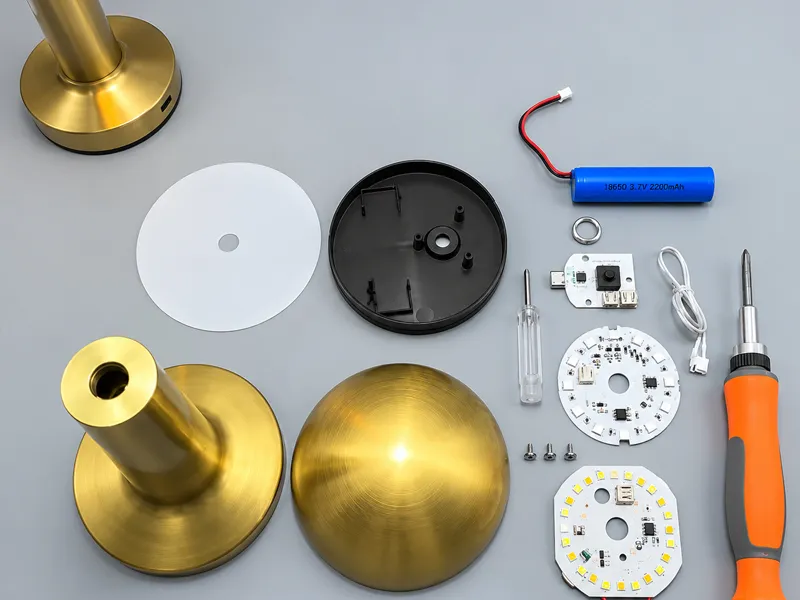
Lighting component testing before product assembly 04
Step Four

Component Testing

Checking key parts before final product assembly.
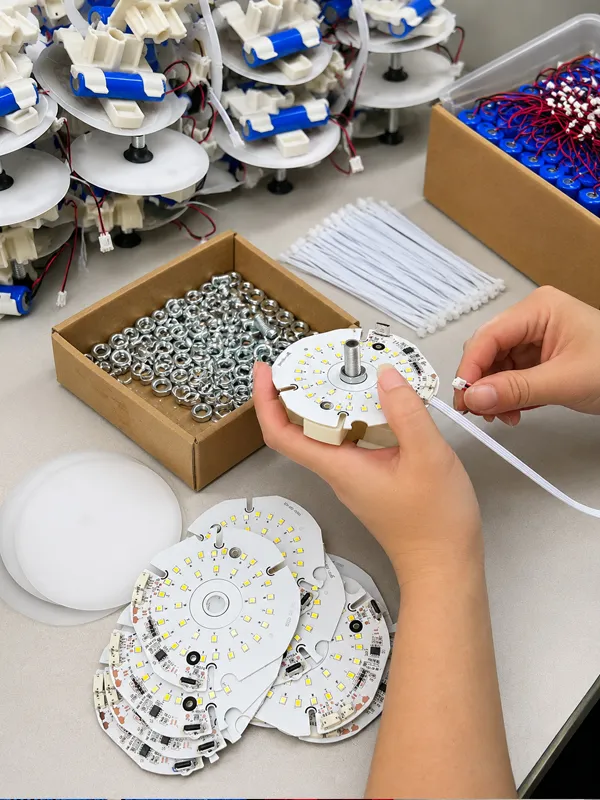
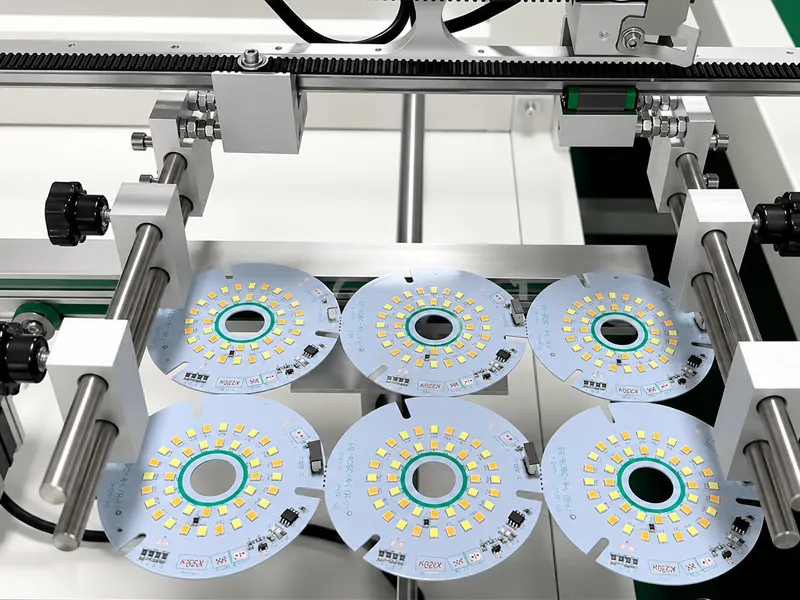
Lighting product assembly and manufacturing 05
Step Five

Assembly & Production

Building each lighting product with controlled processes.
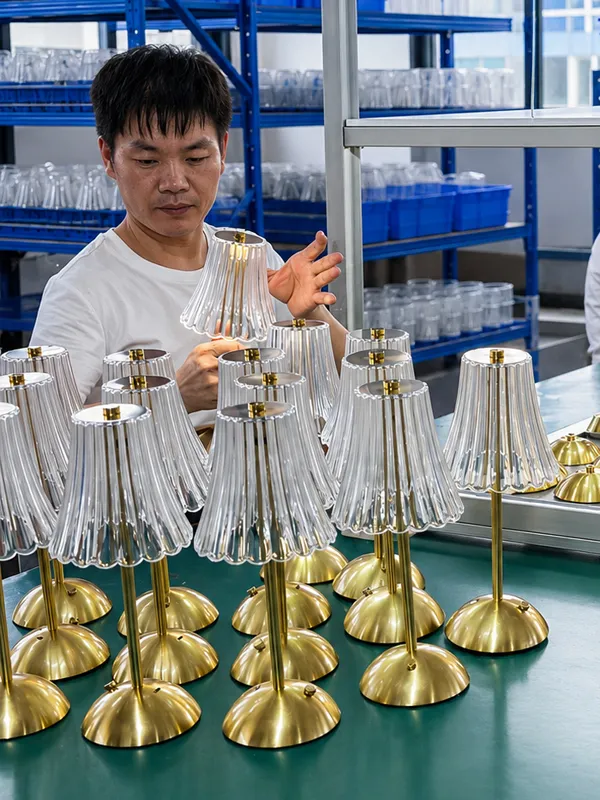
Finished lighting quality inspection 06
Step Six

Final Quality Check

Inspecting finished products before they leave our facility.
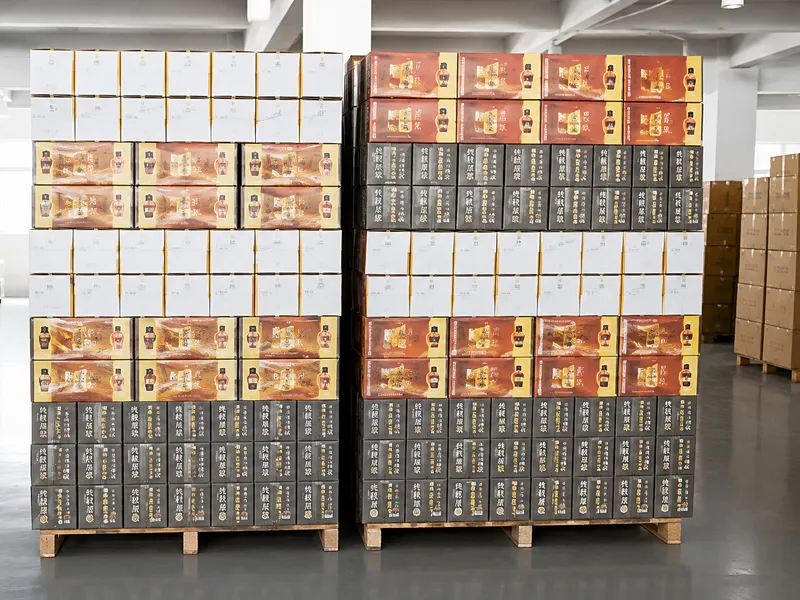
Protective packaging for finished lighting products 07
Step Seven

Protective Packaging

Packing your order securely for reliable global delivery.
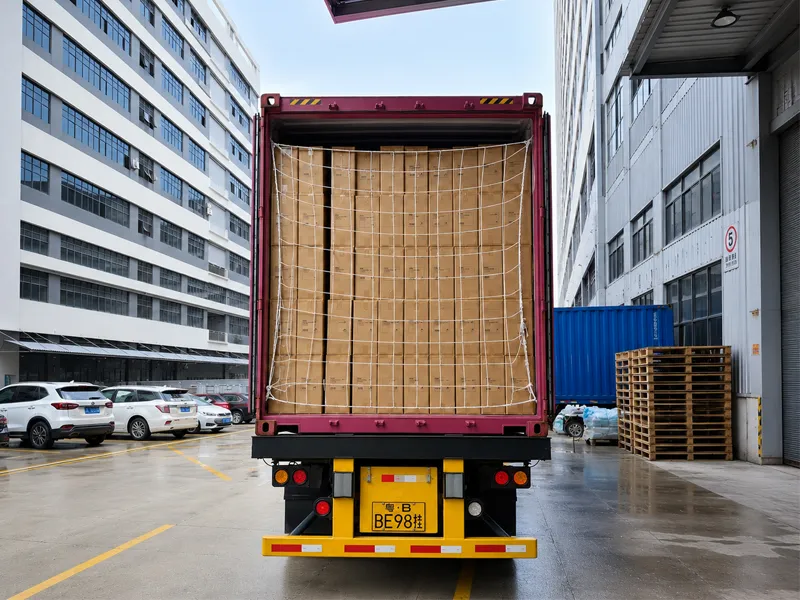
Lighting shipment and container loading for global delivery 08
Step Eight

Shipping & Container Loading

Loading finished orders securely for global delivery.

Project FAQ

Clear answers before
the work begins.

Good custom lighting projects start with the practical questions: feasibility, samples, finishes, compliance, production and delivery. Here is how we approach them.

A photo is a helpful starting point, but it rarely tells us enough to quote responsibly. The most useful brief includes reference images or drawings, product dimensions, intended quantity, destination market, target price level and the lighting effect you want to achieve.

If the design is still taking shape, that is fine. Tell us where the product will be used, whether it is decorative or task lighting, the preferred power source, and any materials or finishes that must be retained. We can then separate what is ready to manufacture from what needs engineering, sampling or tooling first.

Yes. Many projects begin with a mood board, a market reference or an early sketch rather than finished production files. The first step is to turn the visual direction into a manufacturable product structure: proportions, materials, internal space, light source, heat management, assembly method and packaging all need to work together.

We will be straightforward where a reference cannot be copied exactly or where a detail creates an avoidable cost, quality or compliance risk. In those cases, we propose practical alternatives that keep the character of the design while making it suitable for repeat production.

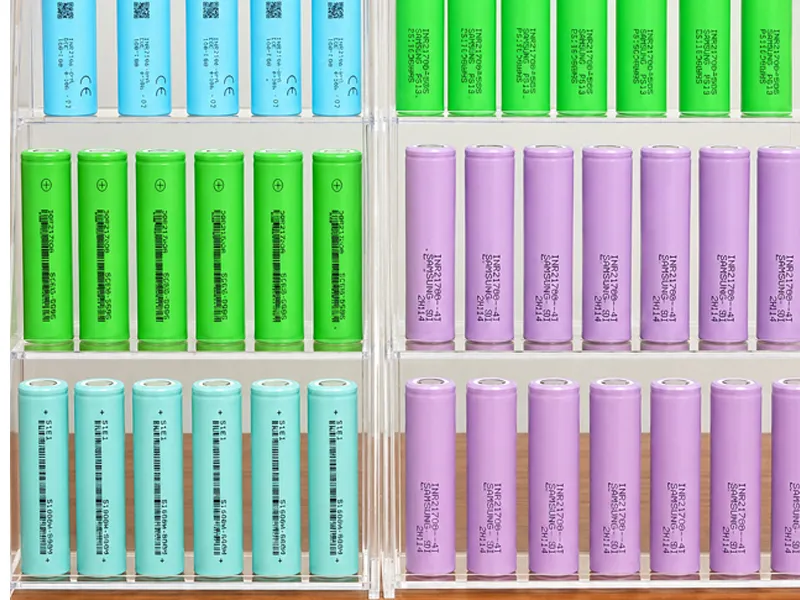
Our role is not limited to final assembly. A custom lighting project can involve metal parts, surface treatment, acrylic or glass components, moulded parts, LED solutions, drivers, battery systems, packaging and final inspection. Controlling the interfaces between those elements matters as much as controlling each part individually.

This is especially important when appearance and performance must match across repeat orders. Changes to a finish, diffuser, LED specification or driver are reviewed as product changes—not treated as isolated purchasing decisions. That approach helps prevent a product from looking right in one batch but behaving differently in the next.

“Gold,” “black” or “warm white” can mean very different things from one supplier to another. Before bulk production, we confirm the approved reference through physical samples, finish panels, material specifications or a signed sample. This creates a common point of comparison for the production team and the buyer.

For products with mixed materials, we also assess how adjacent parts work together under normal lighting: metal tone, glass transmission, fabric texture and LED colour temperature can affect the final impression. Inspection focuses on visible surfaces, assembly gaps, function and packaging protection—not just whether the lamp turns on.

The process normally moves through a clear sequence: project review, technical confirmation, sample development, sample approval, production preparation, bulk manufacturing, quality inspection and shipment. The actual route depends on whether the product uses existing components, modified components or completely new tooling.

We do not treat an early sample as a formality. Sample feedback should confirm the details that affect the final order: dimensions, finish, brightness, colour temperature, touch or switch function, charging performance where relevant, labels and packaging. Once those details are locked, the bulk-production plan becomes much more reliable.

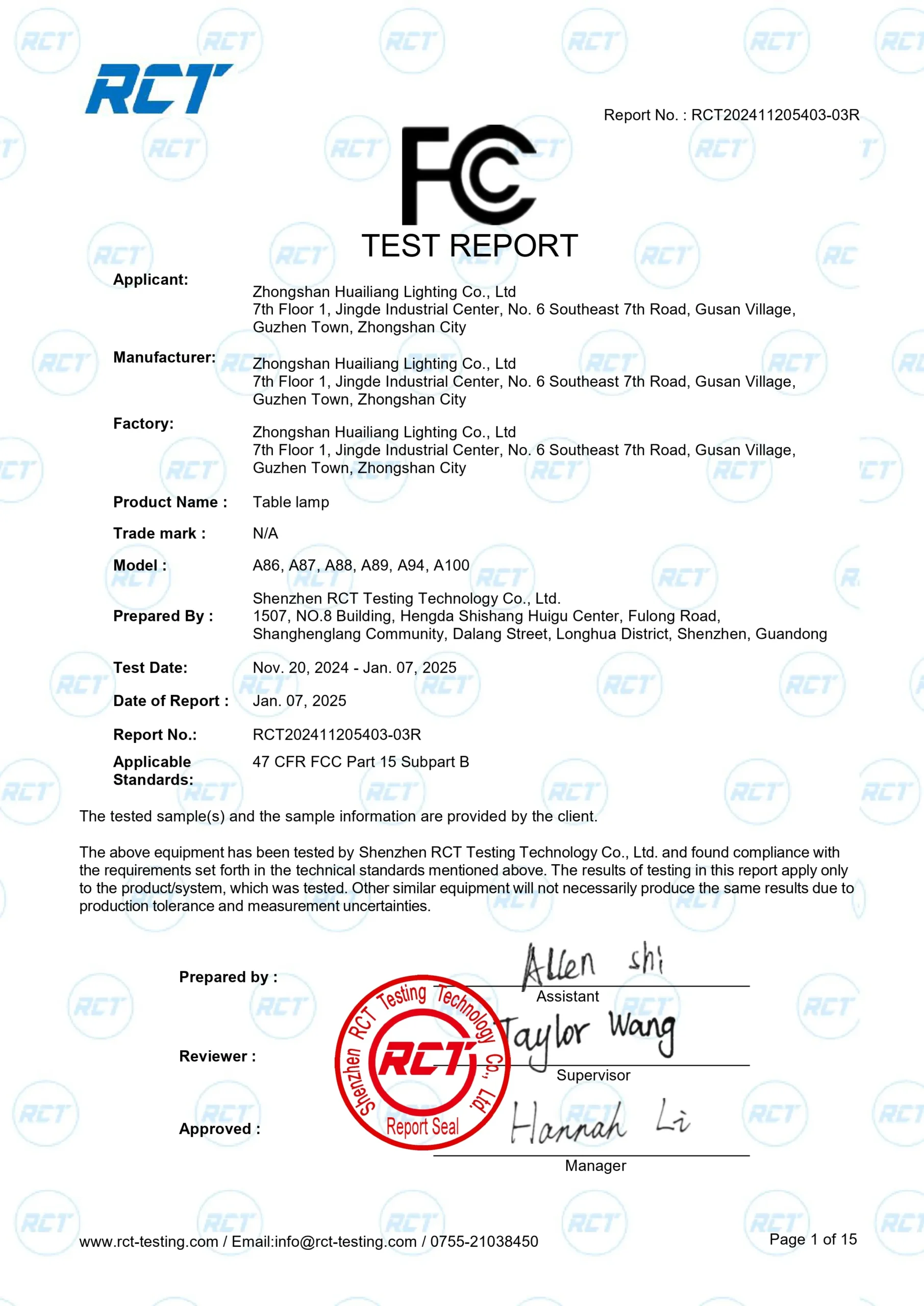
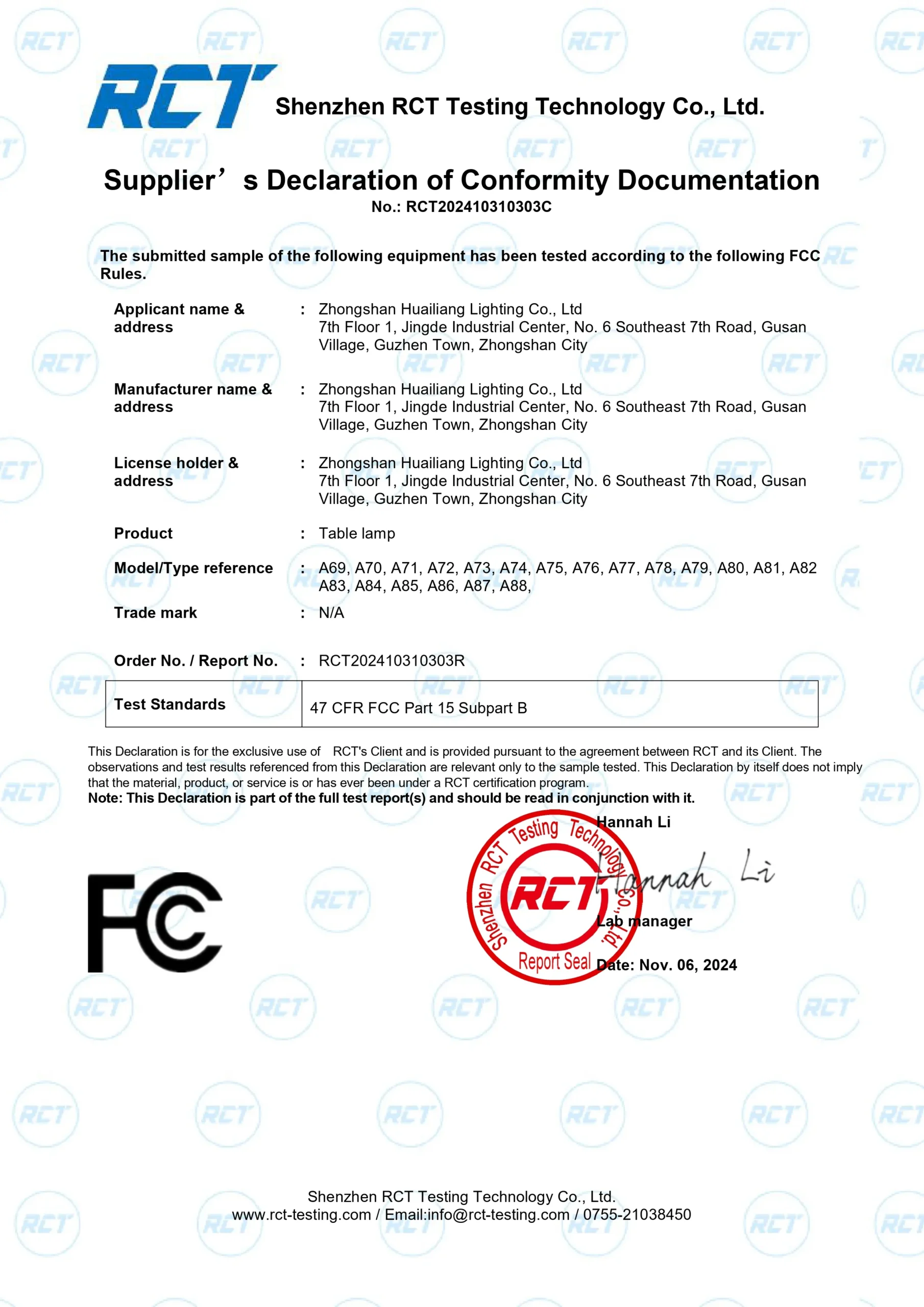
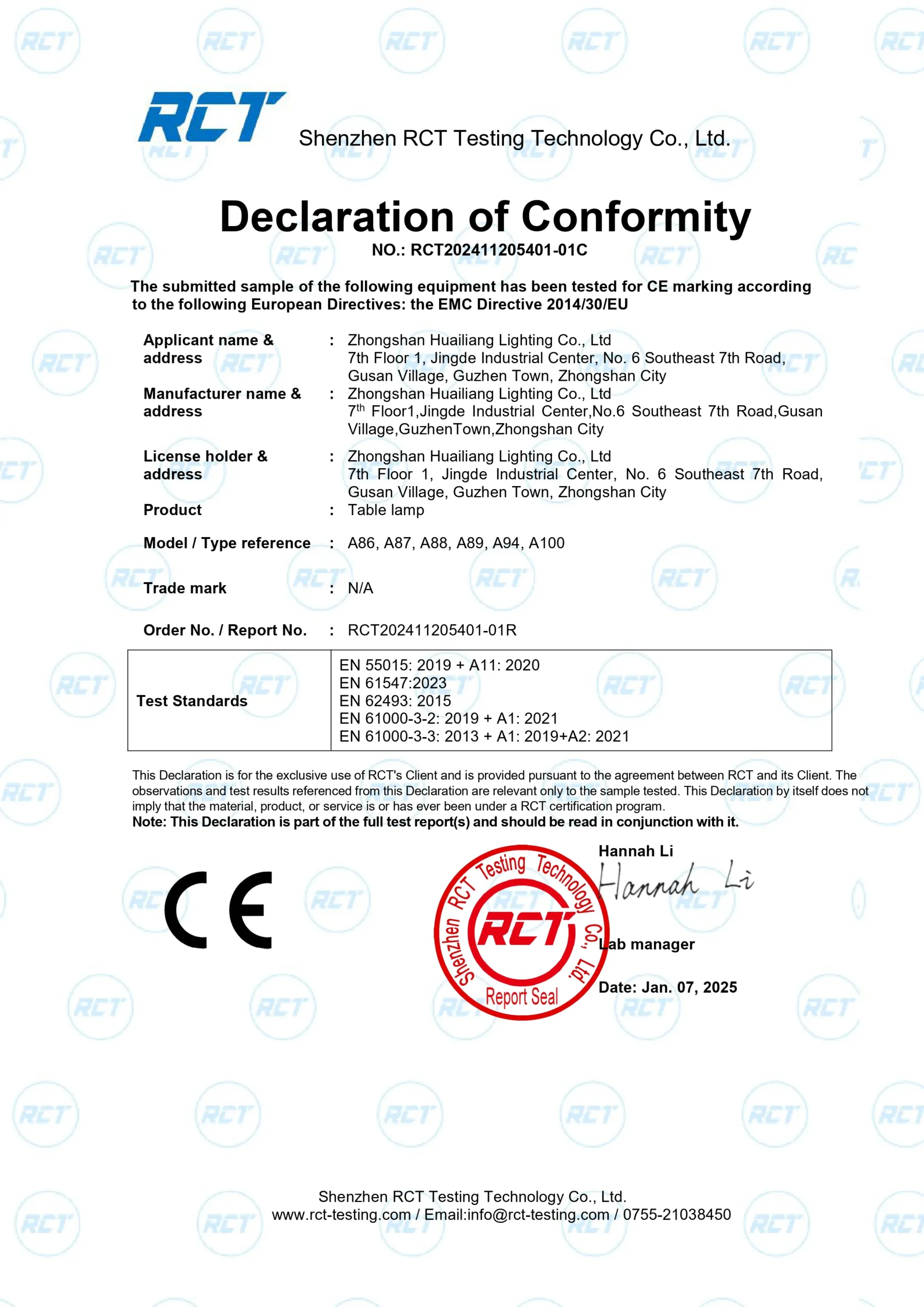
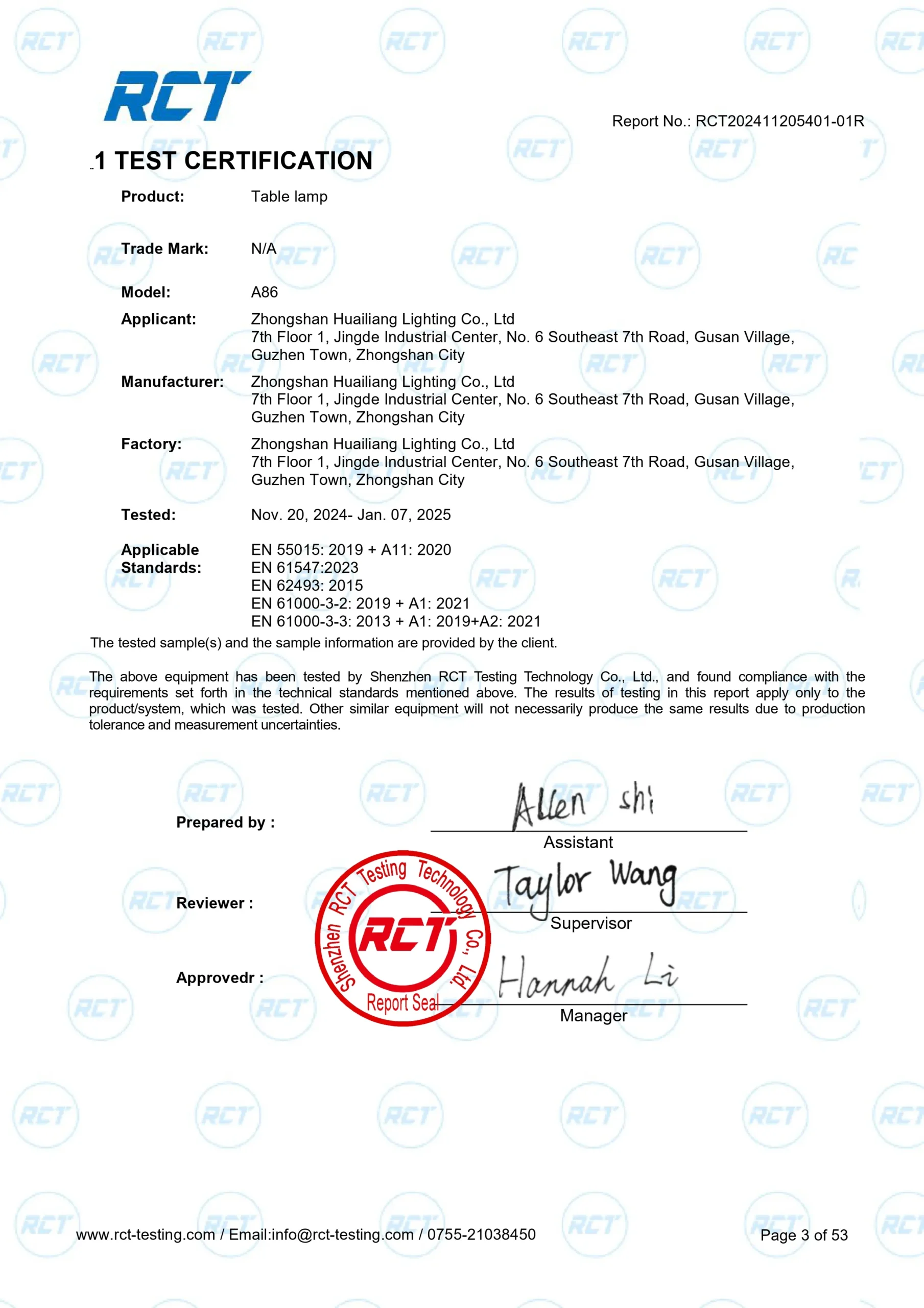
We can review the market and product configuration with you before production, then prepare or coordinate the relevant testing and documentation route for that specific item. Requirements vary with the destination, electrical specification, power source, wireless function and whether the product is sold for residential, commercial or project use.

A report for one configuration should not be assumed to cover every variation. A different driver, battery, cable, plug or LED board can change what needs to be checked. We therefore match the documentation discussion to the approved bill of materials and the actual sales market instead of offering generic paperwork that may not apply to the final product.

Yes. Environmental compliance for the complete lighting fixture needs to be confirmed according to the specific model and product configuration.

For the applicable model, we can provide relevant RoHS, REACH, or other environmental compliance documentation based on the actual product configuration. The environmental assessment may cover the lamp body materials, LED/PCB, electronic components, battery, wiring, and packaging materials.

Different batteries, drivers, power supplies, or material configurations may affect the final documentation. Please confirm the target market and specific model, and we will verify the actual BOM before providing the appropriate compliance information.

There is no single number that fits every project. The practical MOQ depends on how much of the product is custom: a finish change on an existing model is very different from a new metal structure, exclusive mould, special glass, printed packaging or a dedicated electronic configuration.

We assess MOQ alongside unit cost, tooling, material purchasing and the number of variants you need. Sometimes simplifying a non-essential detail, sharing a component platform or planning colourways together creates a more workable starting quantity without compromising the commercial intent of the product.

Project files are used for quotation, engineering, sampling and production planning. To avoid confusion, we recommend identifying the approved version of drawings, artwork, labels and packaging before mass production begins. This is particularly important when several people are involved on the buyer’s side.

Confidentiality requirements can be discussed before detailed files are shared, including where an NDA or project-specific agreement is required. Brand marks, packaging artwork and product labels are confirmed as part of the approved production information rather than added informally at the last minute.

Yes. Packaging is planned around the product rather than treated as an afterthought. Fragile shades, plated surfaces, rechargeable products and oversized fixtures each need different protection, carton structure, labelling and loading considerations. Private-label inserts, barcode labels and carton marks can also be integrated into the approved packing specification.

For repeat orders, the most valuable asset is a stable approved record: component specifications, finish references, sample standard, artwork and packing details. That record gives both teams a clear benchmark and makes it easier to manage future production without reopening settled decisions every time.

Have a product brief, drawing or reference image?

Send what you have. Our team will review the product direction and recommend the next practical step for development and production.